
The Anatomy of HMI Hacking: Techniques, Tools, and Defensive Strategies

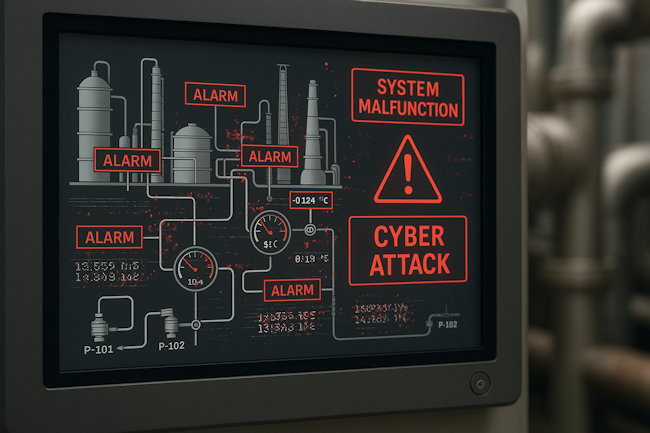
In today's interconnected industrial landscape, Human-Machine Interfaces (HMIs) serve as the critical control points for operational technology environments. These interfaces, while essential for monitoring and managing industrial processes, have become prime targets for sophisticated threat actors. Understanding how these systems are compromised is the first step toward implementing effective defensive measures.
This comprehensive analysis examines the methodologies, tools, and techniques employed by attackers to compromise HMI systems, providing security professionals with the knowledge needed to protect critical industrial infrastructure.
Understanding HMI Systems in Industrial Environments
Human-Machine Interfaces represent the convergence point between operators and industrial control systems (ICS). They provide visualization, control capabilities, and data interpretation for system operators managing everything from manufacturing processes to critical infrastructure operations.
HMIs typically function as part of a larger industrial control ecosystem that includes:
- Programmable Logic Controllers (PLCs)
- Supervisory Control and Data Acquisition (SCADA) systems
- Distributed Control Systems (DCS)
- Industrial networks and communication protocols
The significance of HMIs lies in their role as the primary interface through which operators monitor system status, adjust parameters, and respond to alarms. This central position makes them particularly valuable targets for attackers seeking to disrupt operations, manipulate industrial processes, or gain persistent access to industrial networks.
Common Vulnerabilities in HMI Systems
HMI systems present multiple attack surfaces that can be exploited by threat actors. Understanding these vulnerabilities is essential for implementing effective security measures.
Legacy Software and Outdated Systems
Many industrial environments operate HMI systems running on outdated software platforms that no longer receive security updates. These legacy systems often contain known vulnerabilities that remain unpatched due to operational constraints or concerns about disrupting critical processes.
The extended lifecycle of industrial equipment—often measured in decades rather than years—means that many HMI systems were designed without modern security considerations. This creates fundamental security gaps that are difficult to address without significant system upgrades.
Weak Authentication Mechanisms
HMI systems frequently suffer from inadequate authentication controls, including:
- Default or hardcoded credentials that remain unchanged
- Shared user accounts with administrative privileges
- Lack of multi-factor authentication
- Weak password policies
These authentication weaknesses provide attackers with straightforward paths to gain unauthorized access to critical control systems.
Insufficient Network Segmentation
The increasing connectivity between operational technology (OT) and information technology (IT) networks has created new attack vectors for HMI systems. Many industrial environments lack proper network segmentation, allowing threats that penetrate the corporate network to potentially reach critical control systems.
This convergence of IT and OT, while beneficial for operational efficiency, has expanded the attack surface and introduced new risks to previously isolated systems.
Unencrypted Communications
Many industrial protocols used by HMI systems were designed for reliability rather than security. As a result, communications between HMIs and other control system components often occur without encryption, making them vulnerable to eavesdropping and manipulation.
Protocols such as Modbus, DNP3, and older versions of OPC were developed before cybersecurity became a significant concern, and they lack built-in security features to protect data integrity and confidentiality.
Software Vulnerabilities
HMI applications frequently contain software vulnerabilities that can be exploited, including:
- Buffer overflows
- SQL injection vulnerabilities
- Cross-site scripting (XSS) in web-based HMIs
- Insecure handling of user input
These vulnerabilities can provide attackers with the means to execute arbitrary code, escalate privileges, or manipulate the HMI's functionality.
HMI Hacking Methodologies and Approaches
Attacks against HMI systems typically follow a structured methodology that includes reconnaissance, initial access, lateral movement, and ultimately, control manipulation or data exfiltration.
Reconnaissance Phase
The initial phase of an HMI attack involves gathering information about the target environment. Attackers use various techniques to identify potential targets and vulnerabilities:
- Passive Information Gathering: Collecting publicly available information about the target organization, including technical documentation, employee information, and system specifications.
- Network Scanning: Using tools like Nmap to identify network hosts, open ports, and services running on industrial networks.
- Protocol Identification: Determining which industrial protocols (Modbus, DNP3, OPC UA, etc.) are in use to identify potential attack vectors.
- Shodan Searches: Utilizing specialized search engines like Shodan to identify internet-exposed HMI systems and industrial control devices.
During this phase, attackers build a comprehensive understanding of the target environment, identifying potential entry points and vulnerabilities that can be exploited in subsequent phases.
Initial Access Techniques
Once reconnaissance is complete, attackers employ various methods to gain initial access to HMI systems:
- Phishing Campaigns: Targeting employees with access to industrial systems using tailored emails containing malicious attachments or links.
- Credential Exploitation: Using default, weak, or stolen credentials to access HMI systems directly.
- Exploitation of Public-Facing Applications: Targeting vulnerabilities in web-based HMIs or remote access solutions that are exposed to external networks.
- Supply Chain Compromises: Infiltrating the software supply chain to introduce backdoors into HMI software updates or components.
- Physical Access: Gaining unauthorized physical access to facilities to connect directly to industrial networks or devices.
The specific approach depends on the target environment's security posture and the attacker's capabilities and objectives.
Lateral Movement Strategies
After establishing initial access, attackers typically move laterally within the industrial network to reach high-value targets like HMI systems:
- Network Discovery: Mapping the internal network to identify control system components, including HMIs, PLCs, and engineering workstations.
- Credential Harvesting: Extracting credentials from compromised systems to gain access to additional resources.
- Exploitation of Trust Relationships: Leveraging trusted connections between systems to move between network segments.
- Man-in-the-Middle Attacks: Intercepting and potentially modifying communications between HMIs and other control system components.
Attackers often exploit the lack of internal network segmentation and monitoring to move freely between IT and OT environments.
Persistence Mechanisms
To maintain long-term access to compromised HMI systems, attackers establish persistence through various means:
- Backdoor Installation: Deploying malware that provides ongoing remote access to the compromised system.
- Modification of Startup Scripts: Altering system startup configurations to ensure malicious code executes when the system boots.
- Creation of Rogue User Accounts: Establishing additional administrator accounts for future access.
- Firmware Modifications: In advanced attacks, modifying device firmware to include persistent backdoors that survive system reinstallation.
These persistence mechanisms ensure that attackers can maintain access even if initial compromise indicators are discovered and remediated.
Tools Used in HMI Attacks
Attackers leverage a variety of specialized and general-purpose tools to compromise HMI systems. Understanding these tools helps security professionals identify potential attacks and implement appropriate countermeasures.
Reconnaissance Tools
- Shodan: A search engine for internet-connected devices, including industrial control systems and HMIs.
- Nmap: A network scanning tool used to discover hosts, services, and open ports.
- Wireshark: A network protocol analyzer that can capture and inspect industrial protocol traffic.
- PLCScan: A specialized tool for identifying PLCs and other industrial control devices on networks.
Exploitation Frameworks
- Metasploit Framework: A comprehensive exploitation platform that includes modules specifically designed for industrial control systems.
- Industrial Exploitation Framework (ISF): A specialized framework focused on exploiting vulnerabilities in industrial control systems.
- Immunity CANVAS: An exploitation framework that includes capabilities for targeting industrial systems.
Protocol-Specific Tools
- Modbus-CLI: A command-line tool for interacting with Modbus devices.
- DNP3 Tools: Utilities for analyzing and interacting with DNP3 protocol devices.
- OPC Data Access Tools: Software for accessing and manipulating OPC servers and clients.
- EtherNet/IP Scanners: Tools for discovering and interacting with devices using the EtherNet/IP protocol.
Password Cracking and Authentication Bypass Tools
- Hydra: A fast and flexible online password cracking tool.
- Hashcat: A powerful password recovery utility.
- Mimikatz: A tool for extracting plaintext passwords and hashes from memory.
Custom Malware and Implants
Sophisticated attackers often develop custom malware specifically designed for industrial environments. Notable examples include:
- Industroyer/CrashOverride: Malware specifically designed to attack power grid systems.
- Triton/Trisis: Malware targeting Safety Instrumented Systems (SIS).
- BlackEnergy: Malware used in attacks against Ukrainian critical infrastructure.
These specialized tools demonstrate the increasing sophistication of threats targeting industrial control systems and HMIs.
Specific HMI Attack Techniques
Attackers employ various techniques to compromise HMI systems and achieve their objectives. These techniques range from relatively simple exploits to sophisticated multi-stage attacks.
Code Injection Attacks
Code injection involves inserting malicious code into a running HMI application or its underlying systems. Common code injection techniques include:
- SQL Injection: Exploiting poor input validation in HMI applications that interact with databases.
- Command Injection: Inserting operating system commands into HMI application inputs.
- Cross-Site Scripting (XSS): Injecting malicious scripts into web-based HMI interfaces.
Successful code injection can allow attackers to execute arbitrary commands, access sensitive data, or manipulate HMI functionality.
Malware Deployment
Malware specifically designed for industrial environments can be deployed to compromise HMI systems. This malware may be introduced through various vectors:
- Phishing Emails: Tricking users into downloading and executing malicious attachments.
- Infected Removable Media: Using USB drives or other removable media to transfer malware to air-gapped systems.
- Compromised Software Updates: Distributing malware through legitimate software update channels.
Once deployed, industrial malware can establish persistence, exfiltrate data, or manipulate control system operations.
Data Tampering
Attackers may manipulate the data displayed by HMI systems to mislead operators or hide malicious activities:
- Process Value Manipulation: Altering sensor readings or process values to hide actual conditions.
- Alarm Suppression: Preventing alarms from triggering when abnormal conditions occur.
- Historical Data Modification: Changing logged data to conceal evidence of attacks or system manipulation.
These techniques can be particularly dangerous as they may prevent operators from recognizing and responding to critical situations.
Memory Corruption Exploits
Memory corruption vulnerabilities in HMI software can be exploited to execute arbitrary code or cause system crashes:
- Buffer Overflows: Exploiting improper memory management to overwrite adjacent memory locations with malicious code.
- Use-After-Free Vulnerabilities: Leveraging memory management errors to execute arbitrary code.
- Integer Overflows: Manipulating integer calculations to cause unexpected behavior.
These low-level exploits can provide attackers with significant control over HMI systems.
Man-in-the-Middle Attacks
By positioning themselves between HMI systems and other control system components, attackers can intercept and manipulate communications:
- ARP Spoofing: Redirecting network traffic by manipulating Address Resolution Protocol tables.
- DNS Poisoning: Altering Domain Name System responses to redirect traffic to attacker-controlled systems.
- Protocol-Specific MITM: Exploiting weaknesses in industrial protocols to intercept and modify commands and responses.
These attacks can allow adversaries to monitor communications, inject false commands, or manipulate process data without detection.
Denial of Service (DoS) Attacks
Attackers may disrupt HMI operations through various denial of service techniques:
- Network Flooding: Overwhelming network infrastructure with excessive traffic.
- Application-Layer DoS: Exploiting vulnerabilities in HMI applications to consume resources or cause crashes.
- Protocol-Specific DoS: Leveraging weaknesses in industrial protocols to disrupt communications.
DoS attacks can prevent operators from monitoring and controlling industrial processes, potentially leading to safety incidents or production disruptions.
Real-World HMI Attack Examples
Examining documented cases of HMI attacks provides valuable insights into attacker methodologies and the potential consequences of successful compromises.
Ukrainian Power Grid Attack (2015)
In December 2015, attackers targeted multiple Ukrainian power distribution companies, causing widespread power outages affecting approximately 225,000 customers. The attack involved:
- Initial compromise through spear-phishing emails
- Theft of VPN credentials for remote access
- Deployment of BlackEnergy malware
- Seizure of control from SCADA HMIs
- Remote operation of substation breakers to cause outages
- Disabling of UPS systems to prevent recovery
This sophisticated attack demonstrated how compromised HMI systems could be used to cause significant physical impacts on critical infrastructure.
Triton/Trisis Attack on Safety Systems (2017)
In 2017, a petrochemical facility in Saudi Arabia was targeted by malware specifically designed to compromise Schneider Electric Triconex Safety Instrumented Systems (SIS). The attack:
- Targeted engineering workstations connected to SIS controllers
- Exploited zero-day vulnerabilities in the Triconex systems
- Attempted to reprogram safety controllers
- Could have disabled safety systems, potentially leading to physical damage or safety incidents
The attack was discovered when it triggered system failures during the attempted compromise, preventing more serious consequences.
Oldsmar Water Treatment Facility Incident (2021)
In February 2021, an attacker gained unauthorized access to the water treatment system in Oldsmar, Florida, and attempted to increase sodium hydroxide levels to dangerous concentrations. The attack involved:
- Remote access to the SCADA system through TeamViewer software
- Direct manipulation of the HMI to change chemical dosing settings
- Attempt to increase sodium hydroxide levels by a factor of more than 100
The attack was detected by an alert operator who noticed the unauthorized changes and immediately reversed them, preventing potential harm to the public.
Colonial Pipeline Ransomware Attack (2021)
While not directly targeting HMI systems, the May 2021 ransomware attack against Colonial Pipeline demonstrated how IT system compromises can impact operational technology:
- Initial compromise through a legacy VPN account without multi-factor authentication
- Deployment of DarkSide ransomware
- Encryption of IT systems that supported pipeline operations
- Precautionary shutdown of pipeline operations due to uncertainty about the extent of the compromise
This incident highlighted the critical interdependencies between IT and OT systems and the potential for IT compromises to affect industrial operations.
Best Practices for Securing HMI Systems
Protecting HMI systems requires a comprehensive approach that addresses technical, procedural, and organizational aspects of security.
Network Segmentation and Defense-in-Depth
Implementing proper network segmentation is fundamental to protecting HMI systems:
- Purdue Model Implementation: Structuring industrial networks according to the Purdue Enterprise Reference Architecture to create distinct security zones.
- Demilitarized Zones (DMZs): Establishing buffer zones between IT and OT networks to control and monitor traffic flows.
- Unidirectional Gateways: Deploying hardware-enforced one-way communication paths where appropriate to prevent unauthorized commands from reaching critical systems.
- Data Diodes: Using physical one-way communication devices to allow data to flow out of critical networks while preventing inbound communications.
These measures help contain potential compromises and limit an attacker's ability to reach critical HMI systems.
Access Control and Authentication
Robust access control measures are essential for HMI security:
- Multi-Factor Authentication: Requiring multiple forms of verification before granting access to HMI systems.
- Role-Based Access Control: Limiting user privileges based on job responsibilities and the principle of least privilege.
- Secure Remote Access: Implementing secure methods for remote access, including VPNs with strong encryption and authentication.
- Password Management: Enforcing strong password policies and regular credential rotation.
These controls help prevent unauthorized access to HMI systems and limit the potential impact of credential compromises.
Patch Management and System Hardening
Maintaining up-to-date and properly configured HMI systems is critical:
- Vulnerability Management: Regularly identifying and addressing vulnerabilities in HMI software and underlying systems.
- Patch Testing: Testing security updates in a non-production environment before deployment to ensure compatibility and stability.
- System Hardening: Removing unnecessary services, applications, and user accounts to reduce the attack surface.
- Secure Configuration: Implementing secure baseline configurations for HMI systems and supporting infrastructure.
These practices help address known vulnerabilities and reduce the attack surface available to potential adversaries.
Monitoring and Anomaly Detection
Continuous monitoring is essential for detecting and responding to potential attacks:
- Network Monitoring: Implementing tools to monitor traffic flows and detect unusual patterns or unauthorized connection attempts.
- Protocol Analysis: Monitoring industrial protocol communications for unauthorized commands or abnormal behavior.
- Security Information and Event Management (SIEM): Collecting and analyzing security events from across the industrial environment to identify potential threats.
- Behavioral Analytics: Using machine learning and artificial intelligence to identify anomalous user or system behavior that may indicate compromise.
Effective monitoring enables timely detection of potential security incidents and supports rapid response to minimize impact.
Backup and Recovery
Preparing for potential compromises through robust backup and recovery capabilities:
- Regular Backups: Maintaining current backups of HMI configurations, applications, and data.
- Offline Storage: Storing critical backups offline to protect them from ransomware and other attacks.
- Recovery Testing: Regularly testing recovery procedures to ensure they work as expected.
- Incident Response Planning: Developing and practicing response procedures for various attack scenarios.
These measures help organizations recover quickly from security incidents and minimize operational disruption.
Security Awareness and Training
Human factors play a critical role in HMI security:
- Operator Training: Educating HMI operators about security risks and safe operating practices.
- Phishing Awareness: Training staff to recognize and report potential phishing attempts.
- Security Procedures: Establishing and enforcing clear security procedures for accessing and using HMI systems.
- Incident Reporting: Creating mechanisms for reporting suspicious activities or potential security incidents.
Well-trained personnel represent a critical line of defense against social engineering and other human-targeted attack vectors.
Future Trends in HMI Security
The landscape of HMI security continues to evolve as both attack and defense technologies advance. Several key trends are shaping the future of this field:
AI and Machine Learning for Threat Detection
Artificial intelligence and machine learning technologies are increasingly being applied to industrial security:
- Anomaly Detection: Using AI to identify unusual patterns in industrial network traffic or system behavior that may indicate attacks.
- Predictive Security: Leveraging machine learning to anticipate potential vulnerabilities or attack vectors.
- Automated Response: Developing systems that can automatically respond to detected threats to minimize impact.
These technologies help address the growing sophistication of attacks and the challenges of monitoring complex industrial environments.
Zero Trust Architecture for Industrial Systems
The zero trust security model is being adapted for industrial environments:
- Continuous Verification: Requiring ongoing verification of all users and devices attempting to access industrial systems.
- Micro-Segmentation: Implementing fine-grained network segmentation to limit lateral movement.
- Least Privilege Access: Providing minimal access rights needed for specific functions.
This approach helps address the increasing connectivity of industrial systems and the growing sophistication of attacks.
Secure-by-Design HMI Systems
HMI developers are increasingly incorporating security into the design process:
- Secure Development Practices: Implementing secure coding standards and practices in HMI software development.
- Built-in Security Features: Incorporating authentication, encryption, and other security capabilities directly into HMI platforms.
- Security Certification: Developing and adopting security certification standards for industrial control components.
These efforts help address the fundamental security challenges that have historically affected industrial systems.
Convergence of IT and OT Security
The traditional boundaries between information technology and operational technology security are increasingly blurring:
- Integrated Security Operations: Combining IT and OT security monitoring and response capabilities.
- Unified Security Frameworks: Developing security approaches that address both IT and OT environments.
- Cross-Domain Expertise: Building security teams with knowledge spanning both IT and OT domains.
This convergence reflects the increasing interconnection between business and industrial systems and the need for comprehensive security approaches.
HMI systems represent critical control points in industrial environments, making them attractive targets for cyber attacks. Understanding the vulnerabilities, attack methodologies, and tools used to compromise these systems is essential for developing effective defensive strategies.
By implementing comprehensive security measures—including network segmentation, access control, system hardening, and continuous monitoring—organizations can significantly reduce the risk of successful attacks against HMI systems. Additionally, staying informed about emerging threats and security technologies helps ensure that defensive measures remain effective against evolving attack techniques.
As industrial systems become increasingly connected and sophisticated, the security challenges facing HMI systems will continue to evolve. Organizations that adopt proactive, defense-in-depth approaches to security will be best positioned to protect these critical components of industrial infrastructure.
