Remote Access Risks in Operational Technology Environments

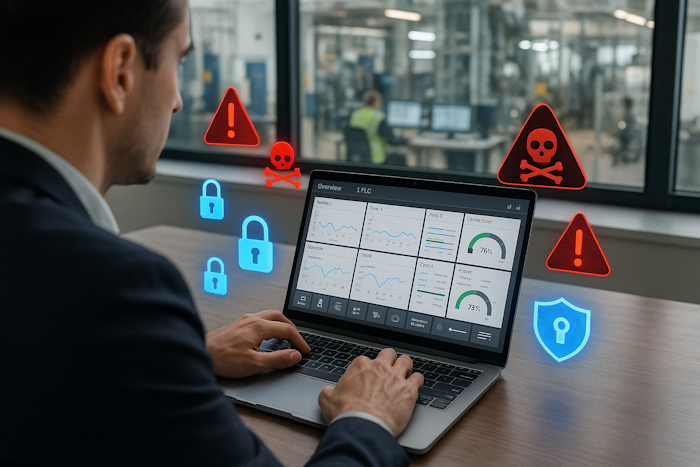
The convergence of information technology (IT) and operational technology (OT) has revolutionized industrial operations, enabling unprecedented levels of efficiency, monitoring, and control. Remote access capabilities have become particularly vital, allowing engineers and technicians to monitor, maintain, and troubleshoot critical industrial systems without physical presence. However, this connectivity comes with significant cybersecurity implications that organizations must address to protect their critical infrastructure. As industrial systems become increasingly connected, the attack surface expands dramatically, creating new vulnerabilities that threat actors are actively exploiting.
The stakes in OT environments are exceptionally high. Unlike traditional IT breaches that typically result in data theft or financial losses, compromises in OT environments can lead to physical consequences, including equipment damage, production disruptions, environmental incidents, and even threats to human safety. Recent incidents across critical infrastructure sectors have demonstrated that adversaries are increasingly targeting these systems, with remote access points serving as primary attack vectors. This article explores the complex cybersecurity challenges of remote access in OT environments, examines common attack methodologies, identifies critical security pitfalls, and provides actionable recommendations for secure design and configuration.
Understanding the OT Security Landscape
Operational Technology encompasses the hardware and software systems that monitor and control physical devices, processes, and events in industrial settings. These systems include industrial control systems (ICS), supervisory control and data acquisition (SCADA) systems, distributed control systems (DCS), programmable logic controllers (PLCs), and other specialized equipment that manages critical infrastructure across sectors like energy, manufacturing, water treatment, transportation, and healthcare.
Traditionally, OT systems operated in isolation, physically separated from corporate networks and the internet in what was known as an "air gap." This physical separation provided inherent security through isolation. However, the digital transformation of industry has eroded these boundaries, with organizations increasingly connecting OT systems to corporate networks and the internet to enable remote monitoring, maintenance, and data analytics. This IT/OT convergence has created new efficiencies but also introduced significant security challenges.
The fundamental security paradigm shift in OT environments stems from their different priorities compared to IT systems. While IT security traditionally focuses on confidentiality, integrity, and availability (in that order), OT security inverts this priority list. In OT environments, availability and reliability are paramount, followed by integrity, with confidentiality often a distant third. This difference in priorities has led to security gaps as traditional IT security approaches are applied to OT environments without accounting for their unique operational requirements and constraints.
Remote Access Vulnerabilities in OT Environments
Remote access to OT systems has become essential for modern industrial operations, enabling vendors, contractors, and internal staff to perform maintenance, troubleshooting, and monitoring without being physically present. However, these remote connections create significant security vulnerabilities that adversaries actively target. Understanding these vulnerabilities is crucial for developing effective security strategies.
Common Remote Access Vulnerabilities
Several critical vulnerabilities make remote access points particularly attractive targets for attackers:
Exposed VPN and Remote Desktop Services: Virtual Private Networks (VPNs) and Remote Desktop Protocol (RDP) services are commonly used for remote access to OT environments. When these services are directly exposed to the internet without proper security controls, they become prime targets. According to recent security research, overly permissive VPN and RDP access configurations create significant security risks in OT environments, especially when combined with weak authentication mechanisms.
Legacy Systems and Unpatched Vulnerabilities: Many OT environments contain legacy systems that cannot be easily updated or patched. These systems often run outdated operating systems and software with known vulnerabilities. When remote access is enabled for these systems, these vulnerabilities become accessible to external threat actors. The extended lifecycle of industrial equipment, often measured in decades rather than years, exacerbates this problem.
Weak Authentication Mechanisms: Inadequate authentication remains a persistent vulnerability in OT remote access. The use of default, shared, or weak credentials is particularly problematic. Many industrial systems still rely on single-factor authentication, making them vulnerable to credential theft and brute force attacks. The practice of sharing credentials among multiple users for operational convenience further compounds this risk.
Flat Network Architecture: Many OT networks lack proper segmentation, implementing flat architectures where all devices reside on the same network segment. This design allows attackers who gain access through a remote connection to move laterally throughout the entire OT environment, potentially reaching critical control systems. The absence of internal boundaries significantly increases the potential impact of a breach.
Insecure Remote Access Pathways: Organizations often create dedicated connections for vendors and third parties to access OT systems remotely. These connections frequently bypass normal security controls and may remain active long after the immediate need has passed. Inadequately secured vendor access pathways have been implicated in several high-profile OT security incidents.
Attack Methodologies Targeting OT Remote Access
Understanding how adversaries target and exploit remote access vulnerabilities is essential for developing effective defenses. Recent threat intelligence reveals several common attack methodologies that threat actors employ to compromise OT environments through remote access points.
Initial Access Techniques
Attackers employ various techniques to gain initial access to OT environments through remote access points:
VPN Appliance Exploitation: Recent intelligence from Dragos has identified widespread malicious activity targeting VPN appliances across critical infrastructure sectors. Adversaries specifically target Cisco SSL-VPN, Fortinet VPN, and Palo Alto Global Protect VPN appliances used by electric, oil and gas, water, and manufacturing organizations. These attacks often exploit unpatched vulnerabilities in VPN appliances, which serve as gateways between external networks and internal OT systems.
Credential-Based Attacks: Brute force login attempts remain a common attack vector, with adversaries using a mix of random and genuine employee information, including former employee credentials. According to recent security research, attackers are increasingly using slower, more methodical brute force attempts to avoid triggering security alerts. Credential stuffing attacks, which leverage previously leaked username/password combinations, are also common.
Phishing and Social Engineering: Attackers frequently use phishing campaigns targeting employees with remote access privileges to OT systems. These campaigns aim to harvest credentials or deploy malware that provides remote access capabilities. The human element remains one of the most vulnerable aspects of OT security, with social engineering techniques proving highly effective at bypassing technical security controls.
Post-Compromise Activities
Once initial access is achieved, attackers typically progress through several stages:
Reconnaissance and Discovery: After gaining access, attackers conduct internal reconnaissance to map the network, identify critical assets, and understand the industrial processes. This phase may involve passive monitoring of network traffic to identify industrial protocols (such as Modbus, DNP3, or EtherNet/IP) and the relationships between different systems.
Lateral Movement: Attackers exploit the connectivity between IT and OT networks to move laterally from the initial access point toward their ultimate targets. This movement often leverages legitimate administrative tools and protocols already present in the environment, such as RDP, SMB, or specific industrial protocols. The goal is to blend in with normal network traffic to avoid detection.
Privilege Escalation: To gain the necessary access rights for their objectives, attackers seek to escalate their privileges within the environment. This may involve exploiting local vulnerabilities, capturing additional credentials, or leveraging trust relationships between systems. In OT environments, gaining administrative access to engineering workstations is often a critical step, as these systems typically have direct control capabilities for industrial processes.
Persistence Establishment: To maintain access for future operations, attackers establish persistence mechanisms that survive system reboots or credential changes. These may include creating backdoor accounts, deploying specialized malware, or modifying startup processes. The goal is to ensure continued access even if the initial entry point is discovered and remediated.
Attack Objectives in OT Environments
The ultimate objectives of attacks on OT environments through remote access can vary:
Process Disruption: Some attacks aim to disrupt industrial processes by interfering with control systems. This could involve shutting down critical equipment, altering setpoints, or disabling safety systems. The motivation may be sabotage, extortion, or creating competitive advantage.
Data Theft: Industrial espionage remains a significant motivation, with attackers seeking to steal proprietary process data, formulations, or other intellectual property. Remote access provides a pathway to reach systems containing valuable industrial data.
Ransomware Deployment: Increasingly, attackers are deploying ransomware in OT environments, encrypting critical systems and demanding payment for restoration. The operational impact of such attacks can be severe, creating pressure on organizations to pay the ransom to resume operations.
Long-term Persistence for Future Operations: Some sophisticated threat actors establish persistent access without immediate disruptive actions. This "sleeper" presence allows for future operations, potentially during geopolitical tensions or conflicts.
Critical Security Pitfalls to Avoid
Organizations implementing remote access to OT environments often make several common security mistakes that significantly increase their risk exposure. Avoiding these pitfalls is essential for maintaining a secure OT environment.
Design and Architecture Mistakes
Direct Internet Exposure: Directly exposing OT systems or remote access interfaces to the internet creates unnecessary risk. Every internet-facing service increases the attack surface and provides potential entry points for attackers. According to CISA guidance, removing OT connections to the public internet is a primary mitigation to reduce cyber threats to operational technology.
Inadequate Network Segmentation: Failing to properly segment OT networks from corporate IT networks allows attackers who compromise one environment to easily move to the other. Proper segmentation with controlled interfaces between zones is essential for containing potential breaches and limiting their impact.
Shared Access Credentials: Using shared accounts for remote access eliminates accountability and increases the risk of credential compromise. When multiple users share the same credentials, it becomes impossible to attribute actions to specific individuals, and credential rotation becomes more challenging.
Always-On Remote Access: Maintaining permanent remote access connections when they are only needed intermittently creates unnecessary exposure. Remote access should be enabled only when required and disabled when not in use to minimize the window of opportunity for attackers.
Operational Security Failures
Inadequate Monitoring and Visibility: Failing to monitor remote access sessions and network traffic in OT environments leaves organizations blind to potential threats. Without proper visibility, unauthorized access or malicious activities may go undetected until they cause operational impacts.
Poor Credential Management: Neglecting proper credential lifecycle management, including timely revocation of access for former employees or contractors, creates significant vulnerabilities. Credentials for departed personnel that remain active provide easy access points for attackers.
Insufficient Access Controls: Granting excessive privileges to remote users violates the principle of least privilege and increases the potential impact of a compromise. Remote users should have only the minimum access rights necessary to perform their specific tasks.
Neglecting Vendor Security: Failing to assess and enforce security requirements for third-party vendors who access OT systems remotely creates significant risk. Vendor access has been implicated in several major OT security incidents, highlighting the importance of managing this attack vector.
Secure Design Recommendations for OT Remote Access
Implementing secure remote access for OT environments requires a comprehensive approach that addresses architecture, technology, and operational considerations. The following recommendations provide a framework for secure OT remote access design.
Network Architecture and Segmentation
Implement Defense-in-Depth: Adopt a defense-in-depth approach with multiple security layers protecting critical OT assets. This should include network segmentation, access controls, monitoring, and endpoint protection working together to provide comprehensive security.
Establish a Demilitarized Zone (DMZ): Create an industrial DMZ between IT and OT networks to mediate all communications. This architecture prevents direct connections between external networks and OT systems, reducing the risk of lateral movement from compromised IT systems.
Segment OT Networks: Implement proper network segmentation within the OT environment based on functional requirements and security zones. This segmentation should align with standards such as IEC 62443, which defines security zones and conduits for industrial automation and control systems.
Use Unidirectional Gateways: Where appropriate, implement unidirectional security gateways that physically enforce one-way data flow from OT to IT networks. These devices provide strong protection against attacks originating from IT networks while allowing operational data to flow outward for analysis and monitoring.
Access Control and Authentication
Implement Zero Trust Principles: Adopt a Zero Trust security model that operates on the principle of "never trust, always verify." This approach requires all users, whether inside or outside the organization's network, to be authenticated, authorized, and continuously validated before being granted access to applications and data.
Deploy Multi-Factor Authentication (MFA): Require multi-factor authentication for all remote access to OT systems. This significantly reduces the risk of credential-based attacks by requiring something the user knows (password) and something they have (token, mobile device) or something they are (biometric).
Implement Just-in-Time Access: Move away from permanent access credentials toward just-in-time access provisioning. This approach grants access only when needed, for the minimum time required, and with the minimum privileges necessary. Access should automatically expire after a defined period.
Use Role-Based Access Control: Implement role-based access control (RBAC) to ensure users have only the privileges necessary for their specific responsibilities. Roles should be defined based on job functions and regularly reviewed to maintain the principle of least privilege.
Secure Remote Access Technologies
Deploy Secure Remote Access Solutions: Implement purpose-built secure remote access solutions designed specifically for OT environments. These solutions should provide granular access controls, session monitoring, and audit capabilities tailored to industrial control system requirements.
Secure Jump Servers: Establish hardened jump servers or bastion hosts that serve as the sole entry points for remote access to OT systems. These servers should be heavily secured, regularly patched, and subject to enhanced monitoring.
Implement Application Whitelisting: Use application whitelisting on all systems that provide remote access to OT environments. This prevents the execution of unauthorized software and helps mitigate the risk of malware deployment through remote access channels.
Consider Vendor-Specific Secure Access: For vendor remote access, implement dedicated, vendor-specific secure access solutions that provide granular control over third-party connections. These solutions should include workflow approvals for access requests and comprehensive session monitoring.
Security Configuration Best Practices
Proper configuration of remote access systems is critical for maintaining security in OT environments. The following best practices should be implemented as part of a comprehensive OT security program.
Authentication and Access Management
Implement Strong Password Policies: Enforce strong password requirements for all remote access accounts, including minimum length, complexity, and regular rotation. Consider implementing password managers to facilitate the use of unique, complex passwords.
Establish Formal Access Request Processes: Implement formal processes for requesting, approving, and provisioning remote access to OT systems. These processes should include appropriate approvals, documentation of business justification, and regular access reviews.
Implement Account Lifecycle Management: Establish procedures for the entire lifecycle of remote access accounts, including creation, modification, and timely deactivation. Particular attention should be paid to promptly revoking access when employees or contractors depart.
Use Time-Limited Access: Configure remote access systems to automatically terminate sessions after a period of inactivity and to enforce time windows during which remote access is permitted. This reduces the risk of unauthorized access through unattended sessions.
Monitoring and Visibility
Implement Comprehensive Logging: Enable detailed logging for all remote access activities, including authentication attempts, session durations, and actions performed during sessions. Logs should be centrally collected and protected from tampering.
Deploy Network Monitoring: Implement network monitoring solutions that can detect unusual traffic patterns or unauthorized communication attempts in OT networks. OT-specific network monitoring tools can identify anomalies in industrial protocols that might indicate malicious activity.
Conduct Regular Session Reviews: Establish processes for regular review of remote access session logs to identify potential security issues or policy violations. This review should include both automated analysis and human examination of suspicious activities.
Implement Alerting for Suspicious Activities: Configure alerting for suspicious remote access activities, such as access outside normal business hours, failed authentication attempts, or unusual data transfers. These alerts should be promptly investigated by security personnel.
Patch and Vulnerability Management
Maintain Current Firmware and Software: Keep remote access systems, including VPN appliances and jump servers, updated with the latest security patches. Establish a risk-based approach to patching that balances security needs with operational requirements.
Conduct Regular Vulnerability Assessments: Perform regular vulnerability assessments of remote access infrastructure to identify potential security weaknesses. These assessments should include both automated scanning and manual testing by qualified security professionals.
Implement Compensating Controls: Where patching is not immediately possible due to operational constraints, implement compensating controls to mitigate the risk of known vulnerabilities. These controls might include enhanced monitoring, network segmentation, or additional access restrictions.
Maintain an Accurate Asset Inventory: Maintain a comprehensive inventory of all systems that provide remote access to OT environments. This inventory should include hardware, software, firmware versions, and configuration details to support effective vulnerability management.
Incident Response and Recovery
Despite the best preventive measures, security incidents involving remote access to OT systems may still occur. Organizations must be prepared to respond effectively to minimize the impact of such incidents.
Incident Response Planning
Develop OT-Specific Incident Response Plans: Create incident response plans specifically tailored to OT security incidents, including scenarios involving compromised remote access. These plans should address the unique challenges of responding to incidents in operational environments where availability is critical.
Establish Emergency Access Revocation Procedures: Develop procedures for rapidly revoking all remote access in the event of a suspected breach. These procedures should be tested regularly to ensure they can be executed quickly when needed.
Conduct Regular Tabletop Exercises: Perform regular tabletop exercises simulating remote access compromise scenarios to test response procedures and identify areas for improvement. These exercises should involve both IT and OT personnel to ensure coordinated response.
Maintain Offline Backups: Implement a strategy for maintaining offline backups of critical OT system configurations and data. These backups are essential for recovery in the event of a ransomware attack or other destructive incident involving remote access systems.
Recovery and Lessons Learned
Establish Recovery Priorities: Define clear priorities for system recovery following a security incident, focusing on the most critical operational functions. These priorities should be based on business impact analysis and operational requirements.
Conduct Post-Incident Analysis: After any security incident involving remote access, conduct a thorough analysis to understand the root causes and identify opportunities for improvement. This analysis should examine both technical and procedural aspects of the incident.
Update Security Controls: Use lessons learned from incidents to update and enhance security controls for remote access systems. This continuous improvement process is essential for maintaining effective security in the face of evolving threats.
Share Information Responsibly: Consider sharing sanitized information about incidents with industry peers through appropriate information sharing organizations. This collaborative approach helps the entire industry improve its security posture against common threats.
Building Resilient OT Remote Access
Remote access to OT environments presents significant cybersecurity challenges that require a comprehensive, risk-based approach to security. The convergence of IT and OT systems has created new efficiencies but also expanded the attack surface for critical infrastructure. Organizations must recognize that traditional IT security approaches are necessary but not sufficient for protecting OT environments, which have unique operational requirements and security priorities.
Effective OT remote access security requires a combination of proper architecture, strong access controls, comprehensive monitoring, and well-defined operational procedures. By implementing the recommendations outlined in this article and staying vigilant against evolving threats, organizations can enable the operational benefits of remote access while managing the associated security risks.
As industrial systems become increasingly connected, the security of remote access pathways will remain a critical concern for organizations across all critical infrastructure sectors. By adopting a defense-in-depth approach that addresses both technical and human factors, organizations can build resilient OT environments capable of withstanding the sophisticated cyber threats targeting industrial control systems today.
The stakes in OT security are exceptionally high, with potential impacts extending beyond data loss to physical consequences affecting operations, safety, and the environment. This reality demands that organizations treat OT remote access security as a strategic priority, with appropriate investment in technology, processes, and people to protect these critical systems.
