Enhancing Patient Data Security: A Comprehensive Model for Clinical Success
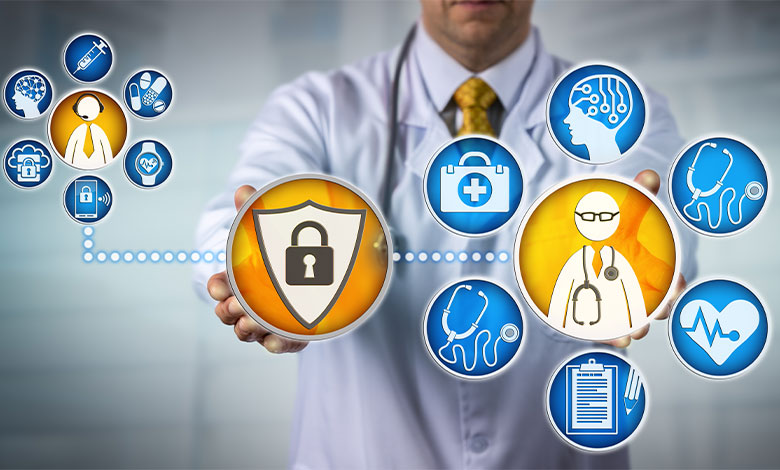
In today's healthcare landscape, the digitization of patient records has revolutionized how medical information is accessed, shared, and utilized. However, this digital transformation has brought forth a new set of challenges, primarily concerning the security and privacy of sensitive patient data. Healthcare organizations must adopt robust security measures to protect this data from unauthorized access, breaches, and misuse. This article explores a comprehensive model for securing sensitive patient data in a clinical scenario, supplemented with real-world use cases and examples.
Understanding the Model
A comprehensive model for securing sensitive patient data encompasses various layers of security measures, each designed to address specific threats and vulnerabilities. Let's delve into each component of the model with relevant examples:
-
Risk Assessment and Management:
Use Case: A large hospital conducts regular risk assessments to identify potential vulnerabilities in its IT infrastructure. During one assessment, it discovers that outdated software on its patient management system could expose patient records to security risks. As a result, the hospital promptly updates the software and implements additional security controls to mitigate the risk.
-
Access Control and Authentication:
Example: A clinic implements multi-factor authentication (MFA) for healthcare professionals accessing patient records remotely. This ensures that even if a password is compromised, an additional authentication factor (such as a one-time code sent to a mobile device) is required to access sensitive data, enhancing security.
-
Encryption and Data Loss Prevention (DLP):
Use Case: A healthcare organization encrypts all patient data stored on its servers and implements DLP solutions to monitor and prevent unauthorized attempts to transmit sensitive information outside the network. This prevents data breaches and ensures compliance with regulatory requirements.
-
Endpoint Security:
Example: A mobile health app developer incorporates robust endpoint security features into its application to protect patient data stored on users' devices. This includes encryption of stored data, secure communication protocols, and remote wipe capabilities to protect data in case of device loss or theft.
-
Security Awareness Training:
Use Case: A healthcare facility conducts regular security awareness training sessions for its employees, covering topics such as identifying phishing emails, safeguarding passwords, and reporting suspicious activities. As a result, employees become more vigilant and proactive in protecting patient data from security threats.
-
Incident Response and Disaster Recovery:
Example: In the event of a data breach, a hospital follows its incident response plan to contain the breach, investigate the incident, and notify affected individuals promptly. Additionally, the hospital's disaster recovery plan ensures minimal disruption to patient care and operations during the recovery process.
-
Vendor Management:
Use Case: A healthcare organization evaluates the security practices of its cloud service provider before migrating patient data to the cloud. This includes assessing the provider's compliance with industry standards, conducting security audits, and establishing contractual agreements to ensure the security and privacy of patient data.
Securing sensitive patient data in a clinical scenario requires a proactive and multi-faceted approach that addresses the diverse range of security threats and vulnerabilities. By implementing a comprehensive security model encompassing risk assessment, access control, encryption, security awareness training, and incident response, healthcare organizations can effectively safeguard patient privacy and maintain trust in the integrity of the healthcare system. Real-world use cases and examples demonstrate how these security measures can be applied in clinical settings to protect patient data from unauthorized access, breaches, and misuse. As technology continues to evolve, healthcare organizations must remain vigilant and adaptive in their approach to data security to ensure the confidentiality, integrity, and availability of patient information.
