Unlocking Security: Exploring a Hybrid Threat Modeling Method
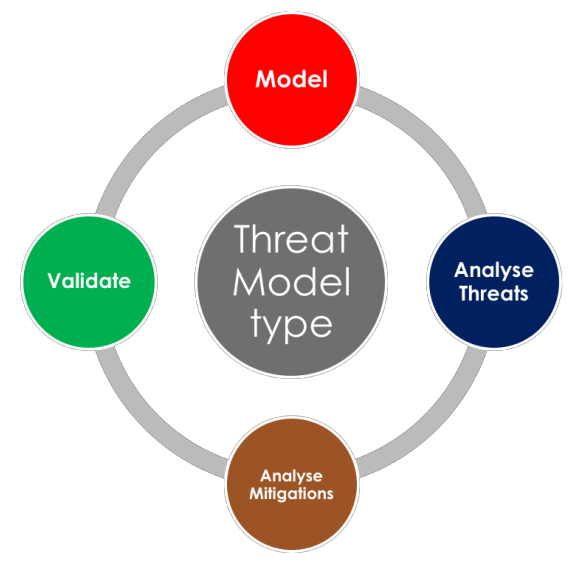
In the ever-evolving landscape of cybersecurity, threat modeling stands as a fundamental practice for identifying and mitigating potential risks to digital assets and systems. Traditionally, threat modeling has been approached from various perspectives, each with its own strengths and limitations. However, as cyber threats become increasingly complex and sophisticated, there arises a need for a hybrid threat modeling method that combines the best aspects of different approaches to provide comprehensive risk assessment and mitigation strategies.
Understanding Hybrid Threat Modeling
A hybrid threat modeling method integrates elements from multiple existing threat modeling approaches to create a customized framework tailored to the specific needs and challenges of an organization. By combining qualitative and quantitative analysis, asset-centric and attacker-centric perspectives, and structured methodologies and expert judgment, a hybrid threat modeling approach offers a holistic view of the threat landscape and enables organizations to prioritize and address security risks effectively.
Key Components of Hybrid Threat Modeling:
-
Asset-Centric Analysis: Identifying and prioritizing critical assets and resources within the organization's environment, including data, systems, applications, and infrastructure. By understanding the value and importance of each asset, organizations can focus their efforts on protecting high-value targets and minimizing potential impact in the event of a security breach.
-
Attacker-Centric Analysis: Assessing potential threats and adversaries targeting the organization's assets, including their motivations, capabilities, and tactics. By modeling potential attack scenarios and threat actor profiles, organizations can anticipate and mitigate security risks more effectively, proactively defending against likely threats.
-
Strategic and Tactical Considerations: Balancing strategic risk management objectives with tactical security controls to align threat mitigation efforts with organizational goals and priorities. By integrating strategic risk assessments with tactical threat response measures, organizations can develop a cohesive security strategy that addresses both long-term risk management goals and immediate security needs.
Use Cases and Examples of Hybrid Threat Modeling:
-
Financial Services Sector: A financial institution adopts a hybrid threat modeling approach to assess risks to its online banking platform. By combining asset-centric analysis to identify critical customer data and transaction systems with attacker-centric analysis to model potential threats such as account takeover attacks and phishing campaigns, the organization develops a comprehensive security strategy to protect customer assets and maintain trust in its services.
-
Healthcare Industry: A healthcare organization implements a hybrid threat modeling method to evaluate security risks to its electronic health records (EHR) system. By conducting asset-centric analysis to identify sensitive patient data and regulatory compliance requirements, coupled with attacker-centric analysis to assess threats such as ransomware attacks and insider threats, the organization strengthens its security posture and safeguards patient confidentiality and privacy.
-
Critical Infrastructure Protection: A utility company employs a hybrid threat modeling approach to assess risks to its industrial control systems (ICS) and supervisory control and data acquisition (SCADA) networks. By integrating asset-centric analysis to identify critical infrastructure assets and operational dependencies with attacker-centric analysis to evaluate potential threats such as cyber-physical attacks and nation-state adversaries, the organization enhances its resilience to cyber threats and ensures the reliability and availability of essential services.
Conclusion
A hybrid threat modeling method offers organizations a flexible and adaptable framework for identifying, assessing, and mitigating security risks across diverse environments and industry sectors. By integrating the strengths of different threat modeling approaches and leveraging both qualitative and quantitative analysis techniques, organizations can develop a comprehensive understanding of their threat landscape and implement targeted security measures to protect critical assets and systems from evolving cyber threats. In an era of increasing cyber risks and uncertainties, a hybrid threat modeling approach empowers organizations to stay ahead of the curve and safeguard their digital assets with confidence.

Check out the IoTSI AI Assistant - Your AI cyber and privacy work companion
