Mitigating Blockchain Cybersecurity Attacks: Strategies and Examples
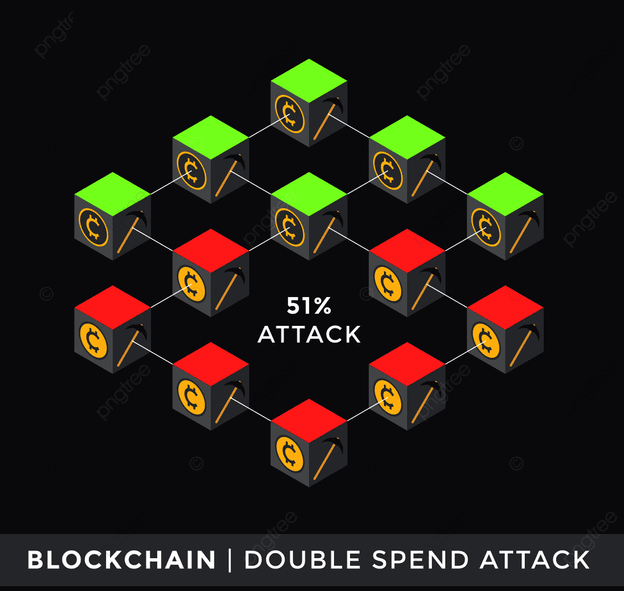
As blockchain technology continues to grow and integrate into various sectors, its security remains a primary concern. Blockchain systems, despite their inherent robust security features, are still vulnerable to several types of cyber-attacks. Understanding these vulnerabilities and implementing effective mitigation strategies is crucial.
Types of Blockchain Cyber-Attacks and Mitigation Strategies
1. 51% Attacks
- Description: Occurs when a malicious actor gains control of more than 50% of the network's mining hash rate, enabling them to reorganize the blockchain and perform double-spending.
- Mitigation:
- Defensive Mining: Miners can prioritize the validation of transactions from previously confirmed blocks to mitigate the risks.
- Permapoint Finality Arbitration: This system limits the possibility of reorganizing the blockchain by ensuring finality in transactions, thus reducing the risk of a 51% attack .
2. Double Spending Attacks
- Description: Involves spending the same cryptocurrency multiple times.
- Example: Instances include attacks on Bitcoin and Ethereum.
- Mitigation:
- Multistage Secure Pool (MSP) Framework: This framework involves several stages such as detection, confirmation, forwarding, and broadcasting to authenticate and secure transactions .
3. Sybil Attacks
- Description: An attacker creates multiple fake identities to gain a disproportionately large influence on the network.
- Mitigation:
- Node Behavior Monitoring: Implement mechanisms to observe and analyze nodes for behavioral anomalies.
- Identity Verification: Utilizing methods such as zero-knowledge proofs to authenticate nodes before they join the network .
4. Quantum Computing Threats
- Description: As quantum computing advances, traditional cryptographic algorithms used in blockchains are becoming vulnerable.
- Mitigation:
- Post-Quantum Cryptographic Algorithms: Adopting cryptographic algorithms designed to withstand the capabilities of quantum computers ensures resistance against quantum attacks .
5. Distributed Denial of Service (DDoS) Attacks
- Description: Overloading network resources to interrupt services.
- Example: The Bitcoin network faced significant DDoS attacks in 2014 and 2016.
- Mitigation:
- Decentralized Network Architecture: Employing decentralized configurations makes it harder for attackers to affect the entire network.
- Consensus Protocols: Protocols like Proof of Work (PoW) or Proof of Stake (PoS) can help maintain service continuity .
6. Smart Contract Vulnerabilities
- Description: Bugs and security flaws in smart contracts can be exploited by attackers.
- Example: The DAO attack on Ethereum in 2016.
- Mitigation:
- Regular Audits and Formal Verification: Conducting regular security audits and using formal methods to verify the correctness of smart contracts.
- Utilization of Established Libraries: Leveraging well-established libraries and standards for smart contract development reduces the risk of incorporating vulnerabilities .
Blockchain technology offers a robust and secure framework for transactions; however, it must continuously adapt to emerging threats. By implementing these mitigation strategies and constantly innovating, blockchain systems can safeguard against potential cyber-attacks, ensuring their integrity and reliability for future applications.

Check out the IoTSI AI Assistant - Your AI cyber and privacy work companion
