Security and Privacy Challenges in Cloud and Fog Computing
In the era of digital transformation, cloud and fog computing have emerged as pivotal technologies driving innovation and scalability across various industries. While these paradigms offer unprecedented flexibility and efficiency, they also introduce significant security and privacy concerns. This essay explores the intricacies of security and privacy issues in cloud and fog computing, delving into use cases, cyber attack vectors, and mitigation strategies to safeguard sensitive data and infrastructure.
Use Cases: Cloud computing revolutionized the IT landscape by enabling organizations to outsource infrastructure and services, leading to cost savings, scalability, and accessibility. From hosting websites and managing databases to running complex analytics, the cloud has become indispensable for businesses of all sizes. However, this reliance on third-party providers exposes data to potential breaches and unauthorized access.
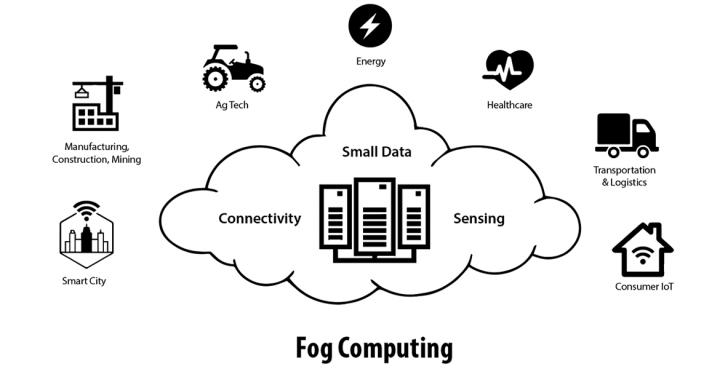
Fog computing extends the capabilities of cloud computing by bringing computation and storage closer to the data source, reducing latency and bandwidth usage. This proximity facilitates real-time processing in applications such as Internet of Things (IoT), smart cities, and autonomous vehicles. Nonetheless, the distributed nature of fog computing introduces new security challenges, including edge device vulnerabilities and data integrity issues.
Cyber Attack Vectors: In both cloud and fog environments, cybercriminals exploit vulnerabilities through various attack vectors, posing threats to confidentiality, integrity, and availability of data. Common cyber attacks include:
- Data Breaches: Unauthorized access to sensitive information stored in cloud databases or transmitted across fog nodes can lead to data breaches, exposing personal or proprietary data to malicious actors.
- Denial of Service (DoS) Attacks: Overloading cloud or fog resources with excessive requests disrupts service availability, rendering systems inaccessible to legitimate users.
- Man-in-the-Middle (MitM) Attacks: Intercepting communication between cloud servers, fog nodes, and end-users enables attackers to eavesdrop, modify, or inject malicious payloads into data streams.
- Malware Infections: Infected files or applications hosted in the cloud or distributed through fog networks can propagate malware, compromising system integrity and confidentiality.
- Insider Threats: Malicious insiders with authorized access to cloud or fog resources may abuse privileges to steal data, sabotage operations, or launch cyber attacks from within the organization.
Mitigation Strategies: To address security and privacy challenges in cloud and fog computing, organizations must adopt a multi-layered approach incorporating technical controls, best practices, and regulatory compliance. Key mitigation strategies include:
- Encryption: Implementing strong encryption algorithms to protect data at rest and in transit mitigates the risk of unauthorized access and interception by encrypting sensitive information.
- Access Control: Enforcing granular access controls and authentication mechanisms restricts user privileges, ensuring that only authorized individuals can access, modify, or delete data.
- Intrusion Detection and Prevention Systems (IDPS): Deploying IDPS solutions monitors network traffic and system activities in real-time, detecting and mitigating suspicious behavior indicative of cyber attacks.
- Patch Management: Regularly updating software and firmware patches across cloud servers, fog nodes, and edge devices mitigates vulnerabilities and reduces the attack surface available to cybercriminals.
- Security Awareness Training: Educating employees and stakeholders about security best practices, phishing awareness, and social engineering tactics enhances vigilance and strengthens the human firewall against cyber threats.
As cloud and fog computing continue to evolve, safeguarding data privacy and ensuring robust security measures are imperative for maintaining trust and integrity in digital ecosystems. By understanding the use cases, cyber attack vectors, and mitigation strategies outlined in this essay, organizations can proactively address security and privacy challenges, fostering a resilient and secure computing environment for the future.
