Securing PLCs in Industrial Control Systems: Understanding Attack Vectors and Mitigation Strategies
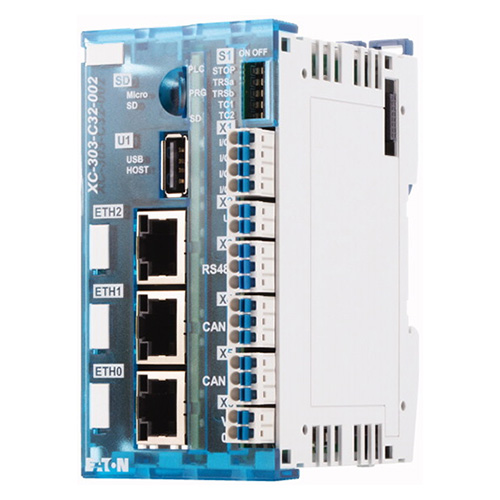
Programmable Logic Controllers (PLCs) are pivotal in the operation of Industrial Control Systems (ICS) across sectors such as manufacturing, energy, and utilities. These robust, industrial-grade computers control various processes and machinery, making them a cornerstone of modern industry. However, the increasing interconnectedness and digitalization of industrial operations have made PLCs a prime target for cyberattacks. This essay examines the attack vectors threatening PLC security in ICS and outlines comprehensive strategies to mitigate these threats.
Attack Vectors in PLC Security
-
Network-Level Attacks:
-
Man-in-the-Middle (MitM) Attacks: Cybercriminals can intercept and alter communications between PLCs and other devices, potentially leading to malicious control commands or data breaches.
- Example: The Havex malware used MitM tactics to intercept and manipulate communication between ICS components.
-
Denial of Service (DoS) and Distributed Denial of Service (DDoS) Attacks: Flooding the network with excessive traffic can disrupt communication and operations, causing significant downtime and financial losses.
- Example: The Maroochy Water Services incident in Australia, where a disgruntled employee used a DoS attack to disrupt sewage systems.
-
-
Device-Level Attacks:
-
Firmware Exploits: Exploiting vulnerabilities in the firmware of PLCs can allow attackers to gain control over the devices or inject malicious code.
- Example: The Stuxnet worm targeted Siemens PLCs by exploiting multiple zero-day vulnerabilities, leading to the physical destruction of centrifuges in Iran's nuclear facilities.
-
Physical Access: Gaining physical access to PLCs can enable attackers to reprogram or sabotage the devices.
- Example: In 2016, a malicious insider at a German steel mill physically accessed PLCs to cause massive damage to blast furnaces.
-
-
Software-Level Attacks:
-
Malware Infections: Malicious software can infiltrate PLCs through compromised engineering workstations or infected removable media.
- Example: The Triton malware targeted Schneider Electric's Triconex Safety Instrumented System (SIS), attempting to manipulate safety controllers to disrupt operations.
-
Code Injection: Attacks that inject malicious code into PLCs can alter their behavior, potentially leading to unsafe conditions or process failures.
- Example: The Industroyer malware (also known as CrashOverride) targeted Ukrainian power grid PLCs, causing a large-scale blackout by injecting malicious code into the system.
-
-
Configuration Attacks:
-
Parameter Manipulation: Unauthorized changes to PLC parameters can disrupt industrial processes, causing safety risks or production inefficiencies.
- Example: In 2015, the German Federal Office for Information Security (BSI) reported a case where attackers manipulated PLC parameters in a steel plant, leading to uncontrolled shutdowns and significant physical damage.
-
Unauthorized Firmware Updates: Installing malicious firmware updates can give attackers persistent control over PLCs.
- Example: The PLC-Blaster worm demonstrated how unauthorized firmware updates could be used to take over and control Siemens PLCs.
-
Mitigation Strategies
-
Network Security:
- Segmentation and Isolation: Isolating critical ICS networks from corporate IT networks and the internet can limit the exposure of PLCs to potential attacks.
- Firewalls and Intrusion Detection Systems (IDS): Implementing firewalls and IDS can monitor and filter network traffic, identifying and blocking suspicious activities.
-
Device Security:
- Regular Firmware Updates: Ensuring PLCs run the latest firmware with patches for known vulnerabilities can reduce the risk of exploitation.
- Physical Security Measures: Restricting physical access to PLCs through secure enclosures, access controls, and surveillance can prevent unauthorized tampering.
-
Software Security:
- Malware Protection: Installing and regularly updating anti-malware software on all devices connected to the ICS network can prevent the spread of malicious code.
- Code Signing: Implementing code signing practices for PLC programs ensures that only authenticated and verified code is executed.
-
Configuration Security:
- Access Control and Authentication: Implementing strict access control mechanisms and multi-factor authentication can prevent unauthorized changes to PLC configurations.
- Regular Audits and Monitoring: Conducting regular security audits and continuous monitoring of PLC configurations can help detect and respond to unauthorized changes quickly.
-
Incident Response Planning:
- Develop and Test Incident Response Plans: Creating comprehensive incident response plans tailored to ICS environments and regularly testing them through drills and simulations can ensure readiness to address security breaches effectively.
- Forensic Capabilities: Establishing forensic capabilities to investigate security incidents involving PLCs can aid in understanding attack vectors and improving defenses.
PLCs are critical components of Industrial Control Systems, but their increasing connectivity makes them vulnerable to a variety of cyberattacks. Understanding the attack vectors—ranging from network-level exploits to physical and software-based attacks—is essential for developing robust mitigation strategies. By implementing a multi-layered security approach that includes network segmentation, device hardening, software protection, configuration security, and incident response planning, industries can safeguard their PLCs and ensure the resilient operation of their critical infrastructure. Proactive measures, continuous monitoring, and adherence to cybersecurity best practices are imperative to protect PLCs from evolving cyber threats in the industrial landscape.
